Why do your BCAs and ESAs together?
You get a full risk profile – above and below ground. By doing these togther, you avoid blind spots.
When both assessments are completed together, buyers can renegotiate price based on combined risks.
Lender Confidence
Submitting both together
speeds up underwriting,
reduces follow-up questions and can translate into smoother approvals.
The real advantage is how the information interacts.
- A building with short remaining life systems + environmental risk = compounded risk.
- A building needing upgrades but no environmental concerns = manageable investment.
- Clean building + clean site = low-risk asset.
The bottom line?
Doing an ESA and BCA together helps you understand:
- What could go wrong physically
- What could go wrong environmentally
- What it will cost – and when.

Our Process
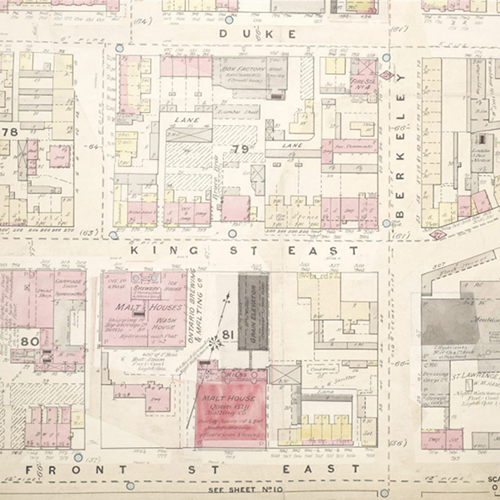
Records Review
A records review to 1875 or first documented use is completed pior to the site visit. This ensures enough knwledge about the property and study area to identify PCAs and APECs.
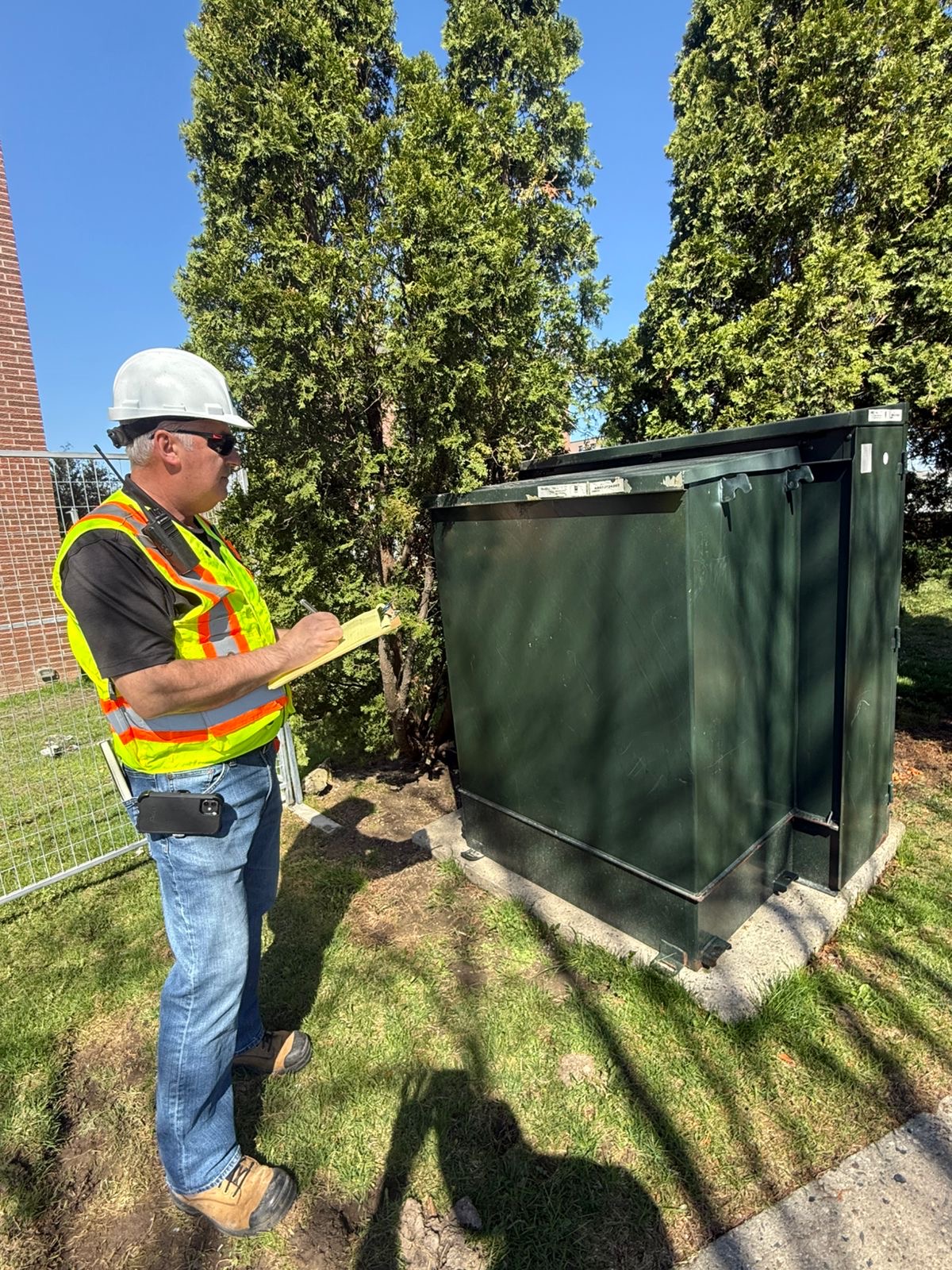
Site Visit
Records only reveal so much. Every site receives at least one visit, where the condition of the site and adjacent properties is extensively documented.

Interviews
Interviews are conducted with people who have knowledge of the site. This may include site managers, tenants of commercial properties and government officials.

Report
Our reports adhere to CSA guidelines and will identify areas of actual or potential concern. We also identify the degree of uncertainty associated with evidence of potential contamination.
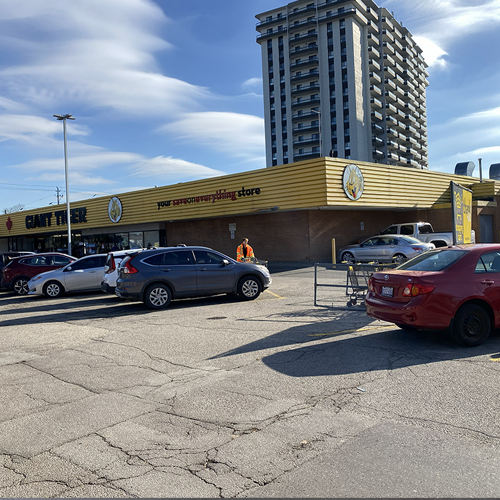
Grgas ESAs comply with CSA Standard Z768-01.
- Objectivity
- Disclosure of any conflict of interest
- Competence
- Due Care
- Systematic Procedures